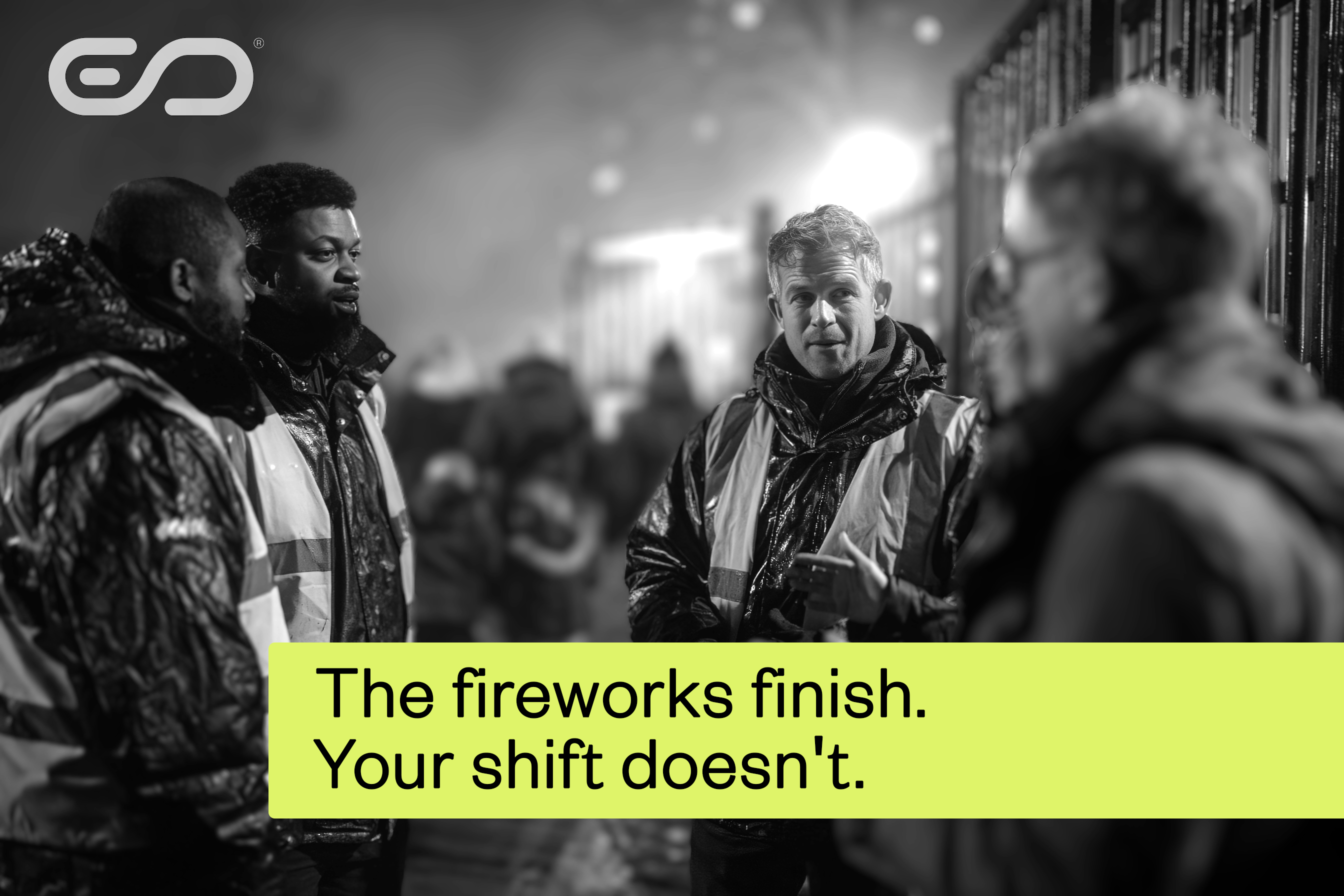

The fireworks finish. Your shift doesn’t.
Something that comes up in our training: it’s usually the routine questions, not the angry ones, that staff say they feel least prepared for.
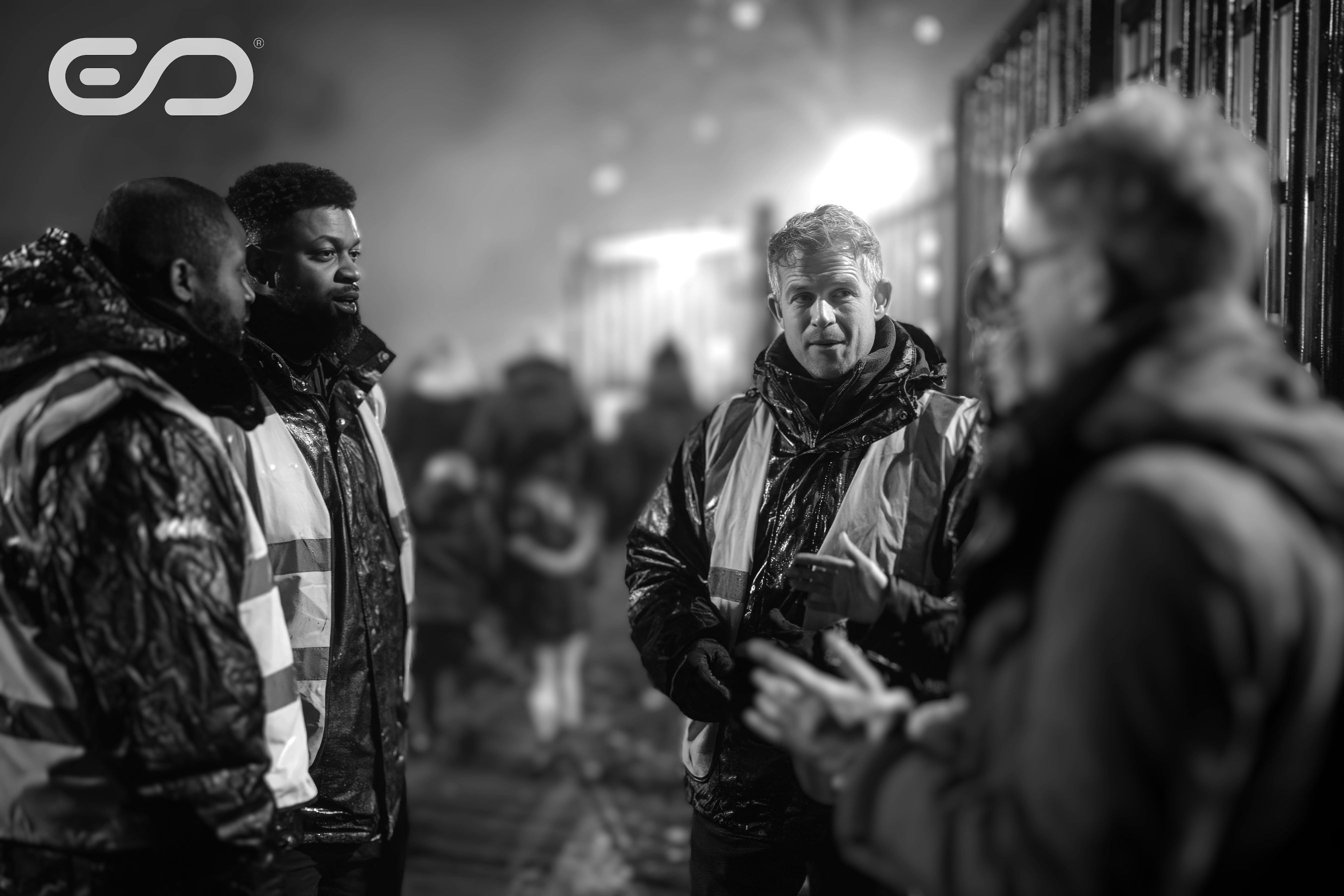
Think about the end of a fireworks display. It’s dark, people are heading for the exits and everyone wants to get home.
Someone points towards a closed gate.
“But we came in this way. Our car’s just over there.”
You know they need to use another exit. But has anyone told you how they get back to their car from there?
I can understand the frustration on both sides. The person leaving wants a straightforward answer. The steward wants to help, but may not have been given the information.
“You can’t go that way” might be correct. It still leaves the person wondering where they’re supposed to go.
That’s why I’d include these ordinary exchanges in the briefing for anyone working at a display tonight or over the weekend.
How do people get back to their cars? Where do you send someone who can’t find their family? Who can you contact when you don’t know?
I wouldn’t expect anyone to have every answer. I would want them to know where to get one.
We talk a lot about what to do when someone becomes aggressive. But there’s value in looking at the conversation before that – when someone has a reasonable question and we have an opportunity to help.
A useful answer won’t resolve every difficult encounter. Sometimes, though, it’s enough to stop an ordinary exchange becoming one.
If you’ve worked at a public event, what’s the question you wish the briefing had prepared you for?


Ready to equip yourself and your staff with essential self-defence skills, including effective de-escalation techniques?